The Marketing Claims We Flagged
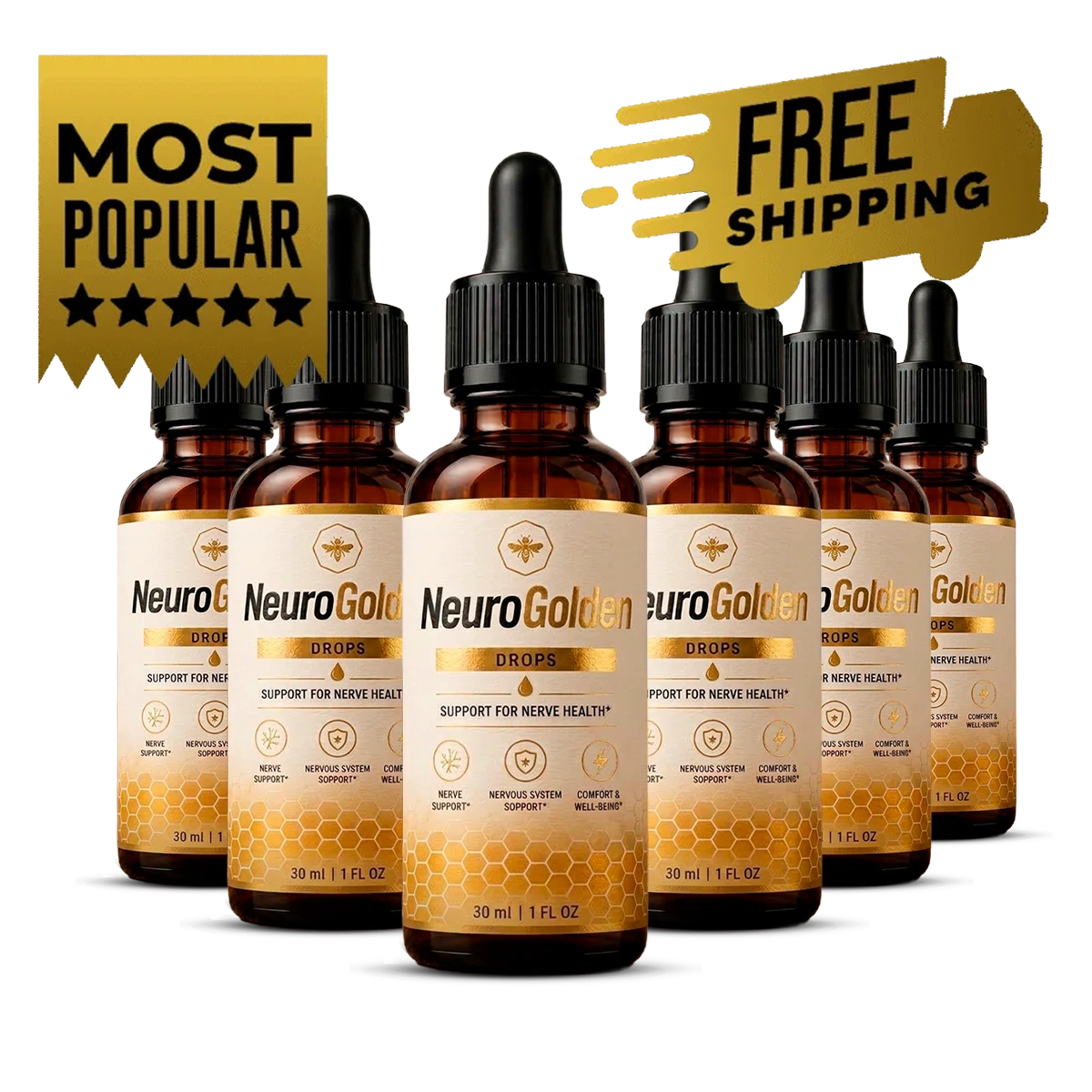
NeuroGolden's own sales materials describe the product as “clinically proven to eliminate nerve pain, stop tingling, and restore optimal nerve health,” and promise a life “free from neuropathy.”
Neuropathy is a diagnosed medical condition. This kind of language crosses into disease-treatment claim territory a dietary supplement legally cannot occupy.
What we found
Across NeuroGolden's marketing materials, we found repeated language describing the product as eliminating nerve pain and tingling, and freeing users from neuropathy entirely. This isn't a single overstated headline — it's a consistent theme across the page.
Why this is a meaningful problem
Dietary supplements in the United States are legally prohibited from claiming to diagnose, treat, cure or prevent disease. Peripheral neuropathy is a diagnosed medical condition. Language promising to “eliminate” its symptoms or leave someone “free from neuropathy” reads as exactly the kind of disease-treatment claim this category of product is not permitted to make.
What about the "clinically proven" claim specifically
We looked for a clinical study of the finished NeuroGolden formula itself — not just general research on individual ingredients like GABA or L-Tryptophan, but a study of this specific product at its actual dose. We did not find one. General ingredient research is not the same as a “clinically proven” finished product.
The reference section didn't help
We also checked the brand's “Scientific References” section, hoping to find the study behind the “clinically proven” claim. Instead, we found generic institutional logo images — a PubMed logo, an NIH logo — with no actual paper titles, authors, or links to verify. That's not a bibliography; it's an impression of scientific backing without anything specific behind it.
Applying this to NeuroGolden
See our full ingredient disclosure page for the related dosage gap, and our 90-day review for how this weighs against the product overall.